

10 Types of Silk Used in Luxury Silk Dresses for Women and Why It Matters
When you slip into a well-made silk dress, you notice it immediately — the way it moves with your body, the subtle sheen that catches the light, and the softness against your skin that no synthetic fabric can quite replicate. But not all silk is created equal. Behind every beautifully finished garment is a specific type of silk fiber, chosen for its weight, texture, drape, and durability. Understanding these differences is the key to knowing what you are actually paying for when you shop for luxury silk dresses for women.
Silk has been prized for thousands of years for its natural strength, breathability, and elegant fall. Yet the word "silk" covers a wide family of fabrics, each woven differently and each suited to a different silhouette, season, and occasion. Whether you are shopping for an evening gown, a flowing summer dress, or a structured wrap dress, knowing your silk types helps you choose a piece that will look beautiful and last for years.
In this guide, we walk through the ten most common types of silk used in womenswear, explain how each one behaves on the body, and show why this knowledge matters when you are investing in quality clothing.
1. Mulberry Silk
Mulberry silk is considered the gold standard in the silk industry. It comes from silkworms that are fed exclusively on mulberry leaves, which produces an unusually smooth, uniform fiber. This consistency is what gives mulberry silk its signature softness, subtle luster, and strength.
Because it holds dye so well and drapes gracefully, mulberry silk is one of the most widely used fibers in high-end fashion. Dresses made from this fabric tend to feel weightless while still holding their shape, which is exactly why it appears so often in premium collections of luxury silk dresses for women.

2. Charmeuse Silk
Charmeuse is instantly recognizable by its glossy front and matte back. This satin-weave silk has a fluid, almost liquid quality that makes it a favorite for slip dresses, bias-cut gowns, and evening wear that needs to skim the body without clinging awkwardly.
Charmeuse is lightweight, so it works best in warmer climates or for indoor occasions. Its glamorous sheen makes it a popular choice for red-carpet-inspired styles, though it does require gentle handling since the fabric can snag more easily than heavier weaves.
3. Crepe de Chine
Crepe de Chine is woven using tightly twisted yarns, which gives it a slightly textured, matte surface rather than a shiny one. This makes it a versatile fabric for both casual and formal dresses, since it drapes beautifully without the high shine associated with satin finishes.
Its subtle texture also hides minor wrinkles better than smoother silks, making it a practical option for travel-friendly dresses that still look polished after a long day.
4. Silk Chiffon
Sheer, airy, and delicately lightweight, silk chiffon is best known for its soft, floaty movement. It is often layered over a lining or combined with other fabrics to create volume in skirts, sleeves, and overlays.
Because of its transparency and delicate weave, chiffon dresses often feature multiple layers for both coverage and dimension. This fabric is a top choice for romantic, feminine silhouettes and is frequently seen in bridal wear, occasion dresses, and flowing summer styles.
5. Silk Organza
Silk organza is a sheer, crisp fabric that holds its shape far better than chiffon. Instead of falling softly, organza creates structure — think voluminous sleeves, sculpted skirts, or dramatic overlays that add architectural interest to a design.
Designers often use organza in combination with softer silks to create contrast between structure and fluidity within the same garment, giving a dress both movement and shape.
6. Dupioni Silk
Dupioni silk is woven from two different-colored threads, which gives it a naturally slubbed texture and a subtle shimmer that shifts depending on the angle of light. It has more body and stiffness compared to other silk types, which makes it ideal for structured dresses, fitted bodices, and statement occasion wear.
Its crisp hand-feel means dupioni holds pleats and shapes exceptionally well, though it is less forgiving for close-fitting, stretch-based styles.
7. Silk Satin
Silk satin is defined by its weave rather than its fiber content, but when made from real silk, it produces one of the most luxurious finishes available. The fabric has a high-shine front and a duller back, similar to charmeuse but generally with a heavier, more substantial weight.
This makes silk satin a popular choice for structured evening gowns and tailored dresses where a rich, reflective surface is part of the design statement.
8. Tussar Silk (Tussah Silk)
Tussar silk, sometimes spelled Tussah, is a wild silk harvested from silkworms that feed on oak and other forest leaves rather than mulberry leaves. This gives the fiber a distinctive golden, earthy tone and a coarser, more textured feel compared to cultivated mulberry silk.
Because it is more breathable and slightly less refined in texture, Tussar silk is often used in relaxed, everyday dresses and warm-weather pieces that still want to carry the natural qualities of silk without the high formality of satin or charmeuse.
9. Habotai Silk (China Silk)
Habotai, often called China silk, is a lightweight plain-weave fabric known for its soft, smooth texture and gentle sheen. It is one of the more affordable silk options, which makes it a common choice for linings, but it is also used in casual dresses and lightweight summer styles.
While it is more delicate than heavier weaves and can wrinkle easily, its lightness and breathability make it comfortable for warm days and layered looks.
10. Silk Georgette
Silk georgette is a lightweight, slightly crinkled fabric with a matte finish and a subtle textured surface. It has more body than chiffon while still remaining soft and flowing, which gives it excellent drape without becoming too sheer or too structured.
Georgette is frequently used in flowy dresses that need movement, such as wrap styles, tiered skirts, and dresses designed for both comfort and elegance.
Why the Type of Silk Matters When You Shop
Knowing the difference between these fabrics is not just a matter of fashion trivia — it directly affects comfort, longevity, price, and how a dress will actually look on your body.
Drape and silhouette: Softer silks like charmeuse and chiffon flow close to the body, while structured silks like dupioni and organza hold shape and volume. The right choice depends on whether you want a fluid, body-skimming look or a more sculpted silhouette.
Climate and comfort: Lightweight silks such as habotai and chiffon breathe well in warm climates, while heavier weaves like satin and dupioni offer more warmth and structure for cooler seasons or formal indoor events.
Durability and care: Some silks, like mulberry silk, are naturally stronger and more resistant to wear, while sheer fabrics like chiffon and organza require more careful handling and gentle washing.
Price and value: The type of silk, along with how it is woven and finished, has a direct impact on cost. Understanding what you are buying helps you evaluate whether a dress is genuinely made from quality materials or simply marketed as "silk" without transparency about the fiber's grade or origin.
This is exactly why an informed shopper looks beyond the label and asks what type of silk a garment is made from. A well-informed choice ensures that when you invest in luxury silk dresses for women, you are paying for genuine craftsmanship, appropriate fabric weight for the occasion, and a garment that will hold its beauty over time rather than losing shape or shine after a few wears.
Silk Dress Styles Worth Knowing
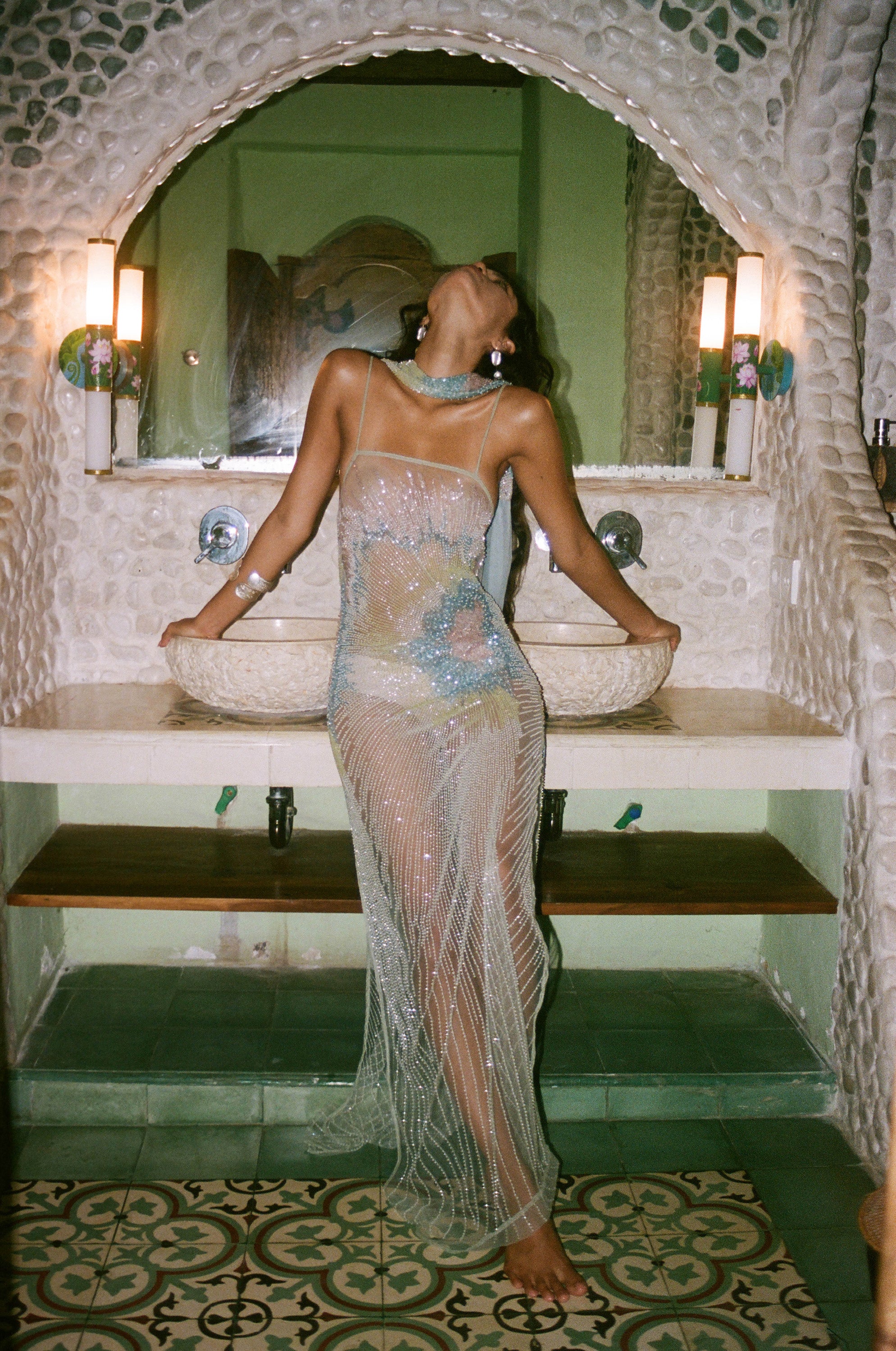
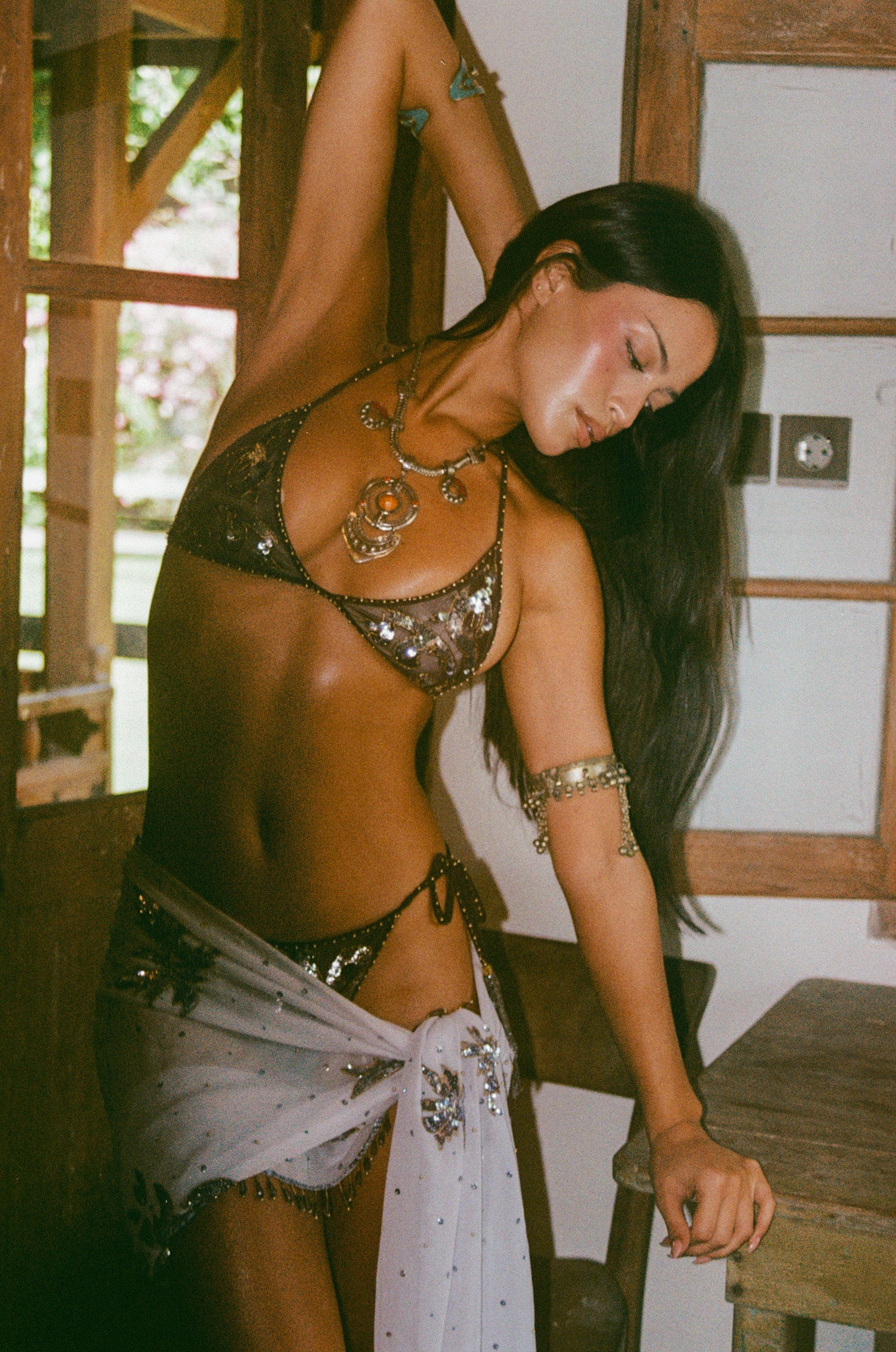
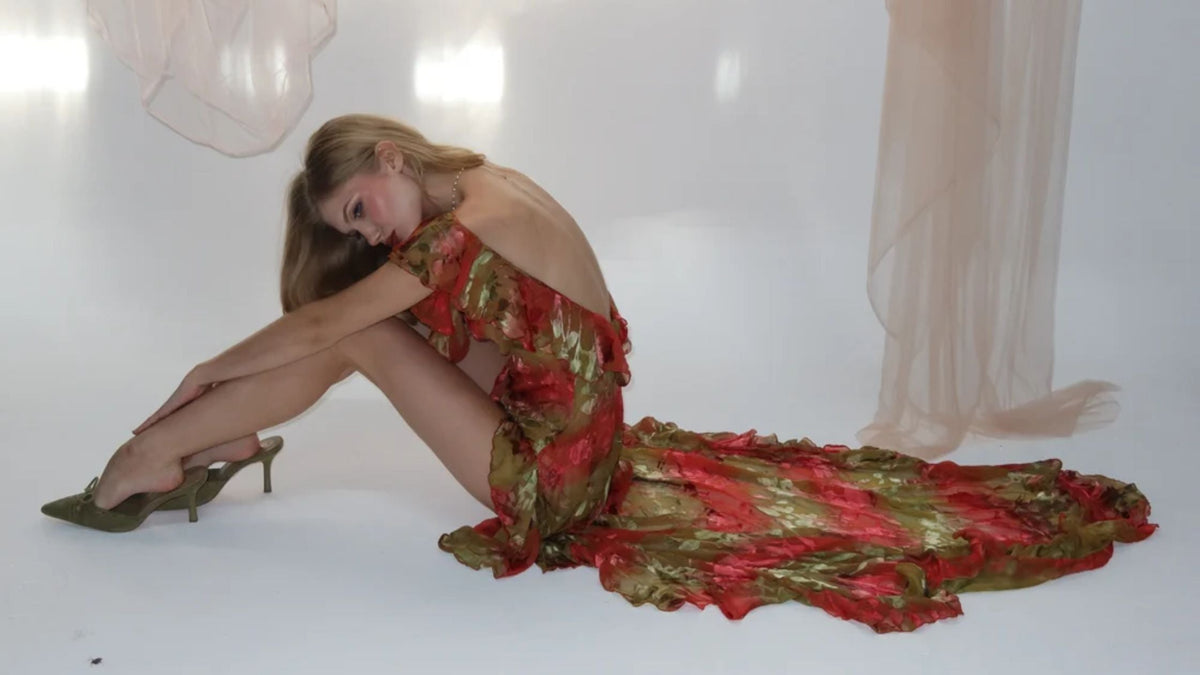
Seeing how these fabrics translate into finished garments makes the differences easier to spot. A few silk pieces currently found in Into Gaia's dresses collection illustrate the range well:
- A statement silk dress shows how a richer, more reflective silk surface can turn a simple silhouette into a standout piece.
- A silk maxi dress reflects the airy, floor-length movement associated with sheer, lightweight silk weaves.
- A lightweight silk dress demonstrates the breathable, warm-weather qualities found in softer silk fabrics.
- A printed silk dress highlights the textured, statement-making surface that comes from a slubbed silk weave.

Comparing dresses like these side by side is one of the easiest ways to train your eye for fabric quality before you buy.
Making an Informed Choice
Silk will always be associated with elegance, but the fabric behind that elegance varies widely depending on how it is sourced and woven. From the smooth uniformity of mulberry silk to the structured richness of dupioni and the airy softness of chiffon, each type serves a distinct purpose in the world of womenswear.
The next time you are browsing for a special-occasion dress or building a more refined everyday wardrobe, take a moment to check the fabric details. Knowing whether a dress is made from charmeuse, crepe de chine, georgette, or another silk type will help you choose a piece that fits your climate, your comfort needs, and the silhouette you are going for.
At Into Gaia, we design our silk pieces with this same attention to detail, selecting fabric weights and weaves that are matched to the style, drape, and season each dress is meant for, so that every piece feels as good as it looks. You can browse our full range of luxury silk dresses for women to see these fabrics in action.
Follow us on our social media pages: Facebook, Instagram & Pinterest.